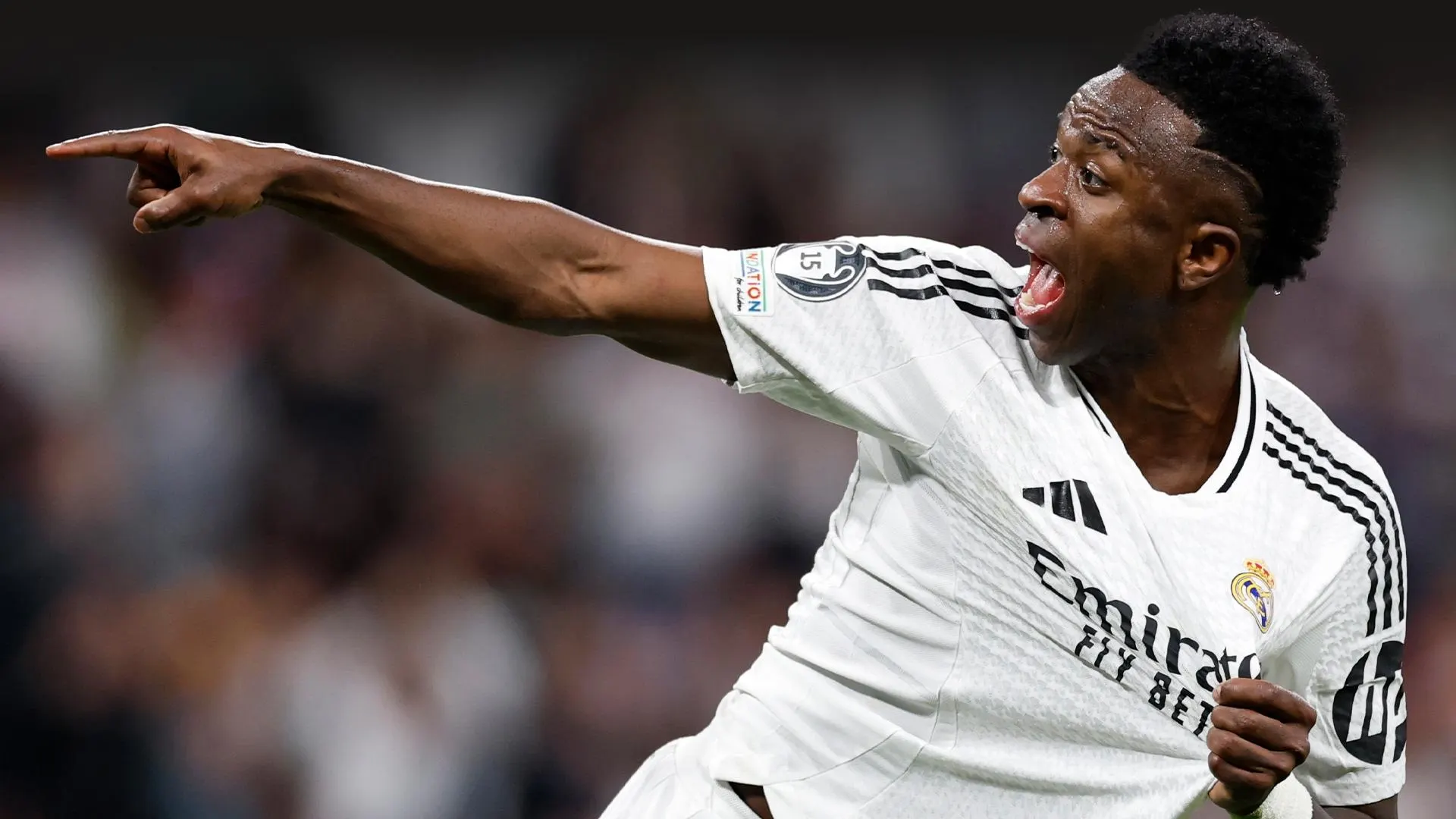
Few spectacles in sport rival the intensity of a football derby. Matches like El Clásico (Barcelona vs Real Madrid), the Manchester Derby (United vs City), and the Merseyside Derby (Liverpool vs Everton) ignite passion, history, and pride. Yet, modern football is changing how these fierce rivalries are perceived.
The Roots of Rivalry
Derbies are born from more than football. Social, political, and cultural tensions often fuel competition. Barcelona vs Real Madrid embodies Catalonia’s regional pride against Spain’s establishment. Manchester United vs City reflects industrial and class rivalries of the 20th century.
These matches carry historical weight. Players feel pressure, fans chant with heightened emotion, and media narratives amplify every minor incident. Derbies were once arenas of animosity, both on and off the pitch.
Evolution of the Derby Experience
Modern football has seen a shift. Increased commercialization, player professionalism, and global fanbases have softened traditional hostilities. Today, derbies are as much about spectacle as competition.
Stadiums are safer, ticketing is organized, and clubs invest in fan engagement programs. International fans now experience the drama virtually, often unaware of historical tensions but captivated by the quality of play.
Players and Professionalism
Players also influence this evolution. Modern stars understand that while rivalries are intense, professionalism comes first. Mutual respect off the field has increased, even if tension remains on it.
Legends like Xavi and Cristiano Ronaldo demonstrated that fierce on-field battles can coexist with off-field camaraderie. Social media, interviews, and community initiatives emphasize sportsmanship, gradually transforming fan culture.
Media and Globalization
The global broadcast of derbies has made them cultural events. Millions watch El Clásico worldwide, often unaware of local historical context but drawn by skill, drama, and spectacle.
Clubs now leverage these fixtures for brand building, marketing, and social campaigns. The derby is no longer a local conflict — it’s a global football festival.
Balancing Passion and Respect
Modern derbies balance passion with safety and ethics. Stadium security, policing, and fan education have reduced violent incidents. Campaigns like “Respect the Game” encourage fans to celebrate without hostility.
The evolution doesn’t diminish intensity — instead, it channels it into a positive fan experience, maintaining competitive fire while embracing modern sportsmanship.
The Future of Derbies
Derbies will always retain their essence: pride, rivalry, and spectacle. However, globalization, social media, and player professionalism continue to reshape perceptions.
Emerging football markets are also creating their own rivalries. Clubs in Asia, Africa, and North America now host derbies that echo Europe’s historic intensity, building local culture while connecting fans worldwide.
Conclusion
Football derbies remain the sport’s heartbeat — a mix of competition, culture, and history. Yet, the shift from hostility to respect reflects the modern game’s maturity. Derbies now celebrate football as a global spectacle — intense, emotional, but inclusive.
Fans still feel pride and tension, but the evolution ensures that passion enhances the experience rather than threatens it.