
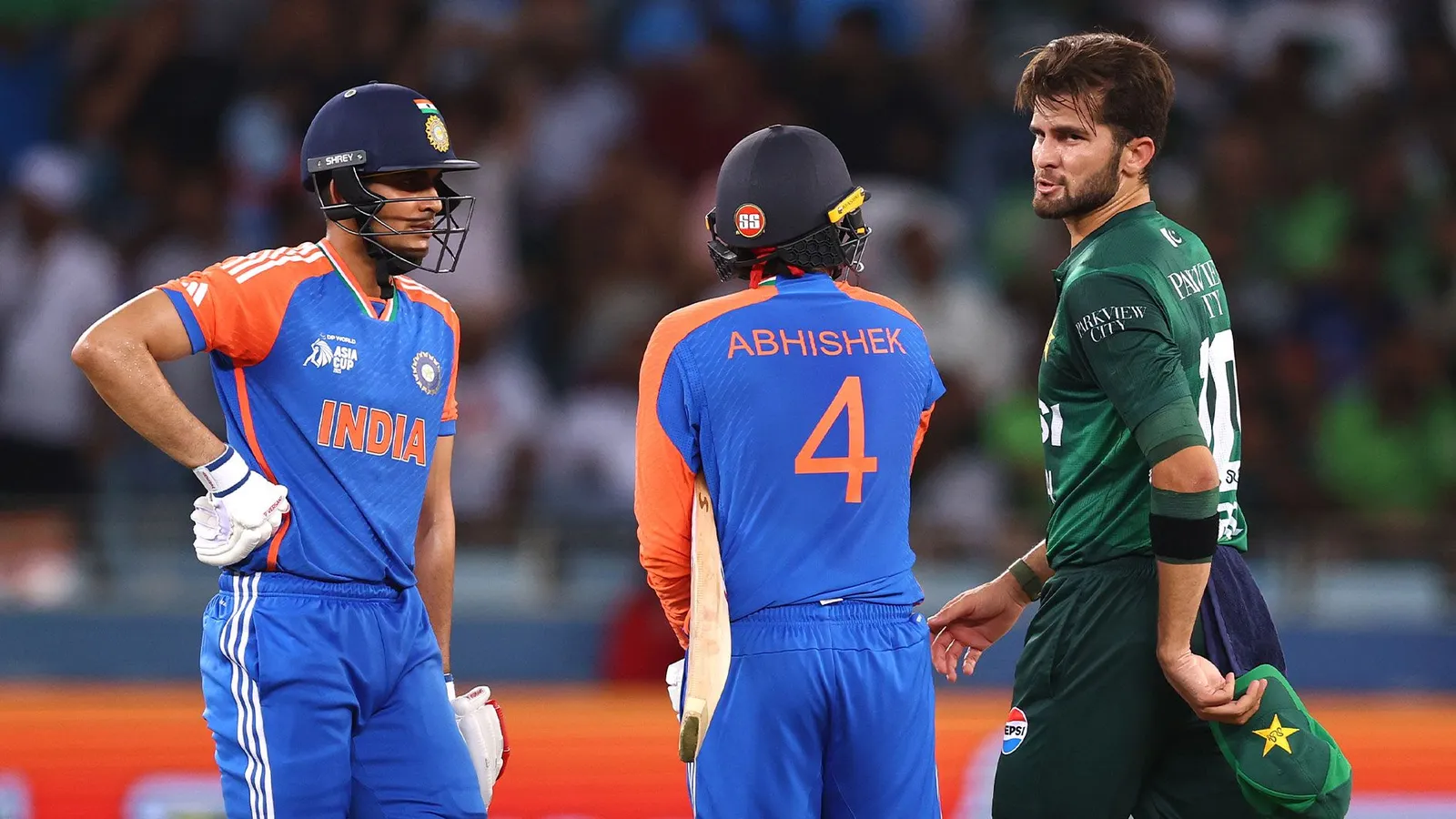
Cricket has always been more than just a game; it’s a shared experience, a cultural phenomenon that brings people together. Over the decades, the way fans engage with cricket has evolved dramatically. From listening to crackling radio broadcasts to streaming live matches on mobile devices, fan culture has adapted to technology, changing how the sport is consumed, celebrated, and discussed.
The Early Days: Radio and Newspapers
In the early 20th century, cricket fans relied on newspapers and radio broadcasts to follow matches. Families gathered around radios to hear ball-by-ball commentary, often imagining every shot and delivery. Journalists chronicled matches in vivid detail, shaping fan opinions and creating heroes. This period instilled a sense of patience, as fans waited hours or days for match results or analysis.
The simplicity of this era fostered a deep emotional connection. Fans relied on imagination and storytelling, which made every run and wicket feel larger than life. Icons like Don Bradman and Garry Sobers became legendary not only for their performance but also for how fans interpreted and celebrated their achievements.
Television: Visualizing the Game
The advent of television in the 1970s and 1980s transformed cricket consumption. Suddenly, fans could see the game in real time. Color broadcasts, slow-motion replays, and graphical overlays enhanced understanding and excitement. Stadiums became visually accessible, allowing fans who couldn’t attend matches to experience the atmosphere from their living rooms.
Television also introduced celebrity culture. Players’ personalities, celebrations, and quirks became part of the fan experience. Suddenly, cricket was not just a game but entertainment — a narrative complete with drama, heroes, and rivalries.
The Digital Revolution
The 21st century brought the internet, social media, and live streaming. Platforms like Hotstar, Willow TV, and Cricbuzz allow fans to follow matches live, track stats, and interact with players in real time. Social media amplifies reactions, memes, and debates, making cricket a global conversation rather than a local spectacle.
Fantasy cricket leagues have also changed engagement. Fans now analyze statistics, form virtual teams, and compete with others, merging entertainment with strategy. The rise of interactive apps, predictive analytics, and player-centric content has made fandom more participatory than ever before.
Globalization of Fan Culture
Cricket’s fan base is no longer restricted to traditional strongholds. North America, Europe, and East Asia now host passionate cricket communities. Global T20 leagues and international broadcasts bring diverse audiences together. Fans celebrate not only their national teams but also franchise teams, blurring boundaries between traditional loyalty and global enthusiasm.
The Future of Fan Engagement
Virtual reality, augmented reality, and immersive broadcasts promise to further revolutionize fan culture. Imagine experiencing a stadium from your home or interacting with players during live matches. Fan culture will become increasingly participatory, personal, and digital-first, making cricket more accessible and engaging than ever.
Cricket fandom has journeyed from imagination-filled radio nights to immersive digital experiences. Despite technological changes, the core remains the same: passion, connection, and celebration of the sport.